
Do you Know the Difference Between Cut and Shape?
October 05,2009, Lucy Zimmerman
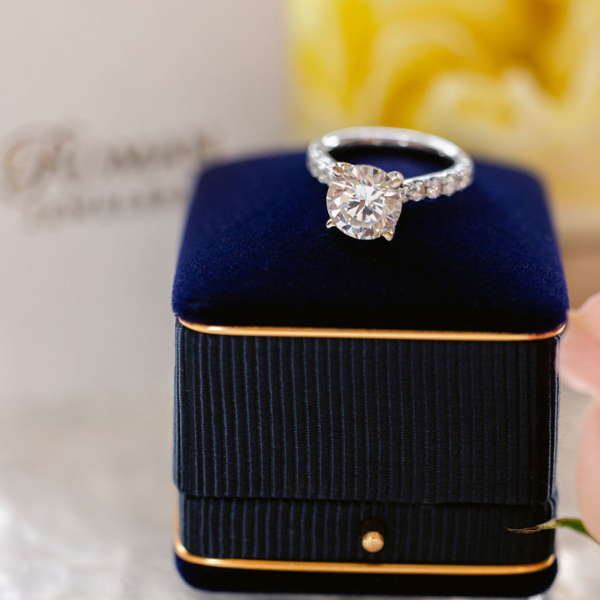
When it comes to diamonds, do you know the difference between cut and shape? Sometimes, the two terms can be confusing. So let’s start by saying that cut pertains to specifics of a diamond proportions, yes, all these angles and measurements of a diamond. I am sure, you have heard the term “Ideal Cut”? When describing an Ideal Cut, the jewelers and diamond cutters are talking about proportions, brilliancy, and perfection in polishing and finishing of a diamond.
Shape is something completely different. Round diamonds, Princess, Oval, Marquise, Pear, Heart, Emerald, Trillion, Radiant, Asscher – all of these names are used to describe the different shapes of a diamond.
The round diamond is still the most popular shape. Square and Princess-cut shapes are becoming more and more popular.
Fancy Shapes
August 01,2009, Lucy Zimmerman
What is considered a “fancy” cut? Any diamond cut that is not the round brilliant. Shapes such as emerald cut, marquise, Ascher, cushion, baguette, radiant, oval, and heart (among countless others) are all called fancy shapes.
Which shape is better? The one that appeals to you more.

For example, if you like the brilliance in a round diamond but prefer a square diamond shape but cut with the same standards as a round diamond, a princess cut is your answer. Do you like the simplicity of an emerald cut? Or the cut-corners of a cushion cut?
Before making a decision, look at all the cuts (or almost all) that the stores have available, then make a decision.
If a diamond is certified by an Independent Laboratory, such as GIA or AGS, could the quality of the diamond be judged by the certificate’s specifications and grading?
December 28,2008, Lucy Zimmerman
The value of a diamond should never be judged based on a laboratory certificate alone. There is more to the beauty of diamonds than just specifications. The beauty of diamonds is not equal to the sum of the diamond characteristics; it is much more complex.

GIA or AGS certificate does not guarantee a fine diamond. Diamond laboratories will certify any diamond submitted for grading… from magnificent to poorly cut. Certificates simply offer an educated opinion on color, clarity, and cut of the diamond; they also record proportions of the diamond.
At Roman Jewelers, the certificate is just the first step in looking at a diamond. The second one is to always measure the beauty of the diamond with the Isee2 technology. The certificate plus measurements of brilliance, scintillation, and symmetry is what makes us so confident in the quality and beauty of the diamond.